


Discover a wealth of knowledge and history at the iconic Gibraltar Garrison Library. Immerse yourself in a world of books and exploration at this cultural gem.
History of the Gibraltar Garrison Library:
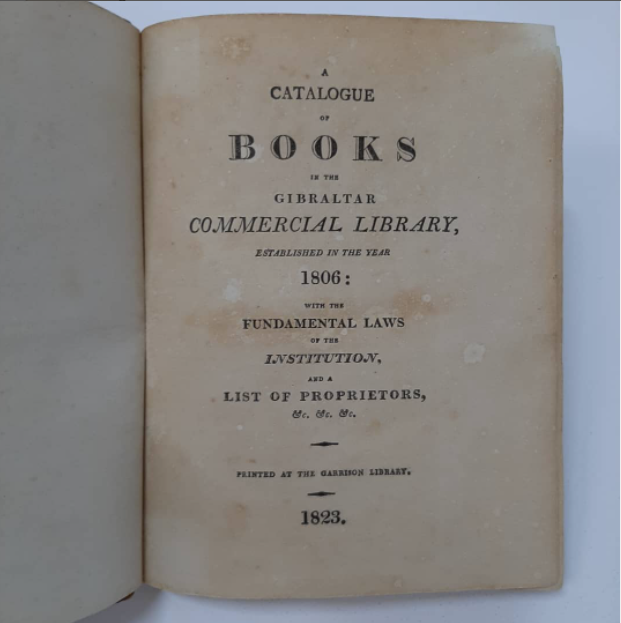
Founded in 1793 by Captain (later Colonel) Drinkwater, the historian of the Great Siege of Gibraltar, the Garrison Library has a rich history deeply tied to the military presence on the Rock. Captain Drinkwater's desire for a public library during the Great Siege, when access to reading material was limited, laid the foundation for what would become a significant institution.
Early Years and Expansion: Initially established opposite The Convent, the Governor's residence, the first reading rooms opened for Garrison officers around 10 years after Drinkwater's initiative. By 1799, the library had grown significantly, prompting the need for more spacious premises. Under the direction of General Charles O'Hara, construction of the current building commenced in 1800, concluding in 1804 during the governorship of the Duke of Kent, Queen Victoria's father. Captain Fyers, an original Library committee member, played a crucial role as both architect and driving force behind the Garrison Library's physical structure.
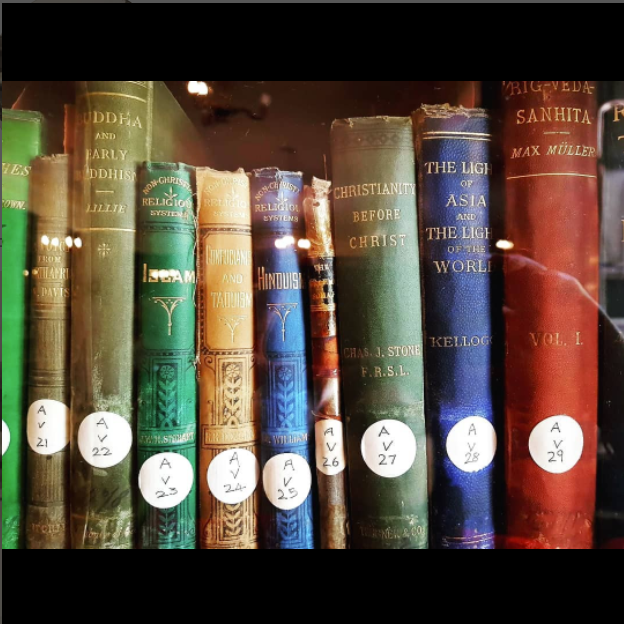
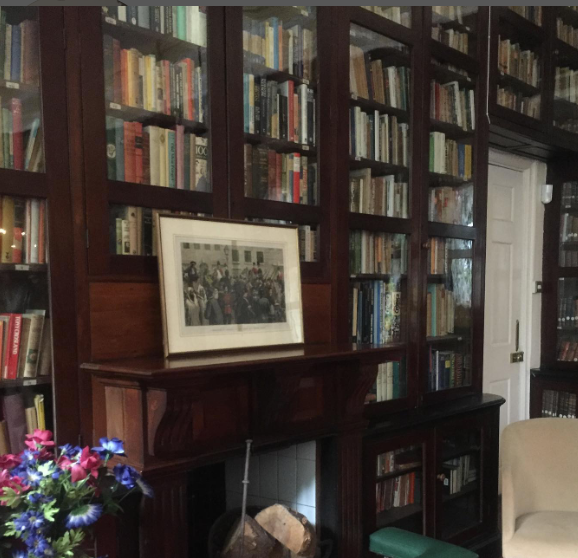
Purpose and Function: Situated at 2, Library Ramp, the Garrison Library served as a meeting place for officers, emphasizing its role in training and recreation. Gibraltar, as an outpost of the Empire, was often the first posting for young officers. The library, therefore, played a crucial role in their military education, reflected in its diverse collections covering military sciences, travel narratives, Mediterranean countries, and histories of regions like India and Africa.
Transition to Civilian Custodianship: Remaining a military library until September 2011, the Garrison Library transitioned to the custody of the Government of Gibraltar. This historic move ensured the library's continuity and preservation of its valuable collections.
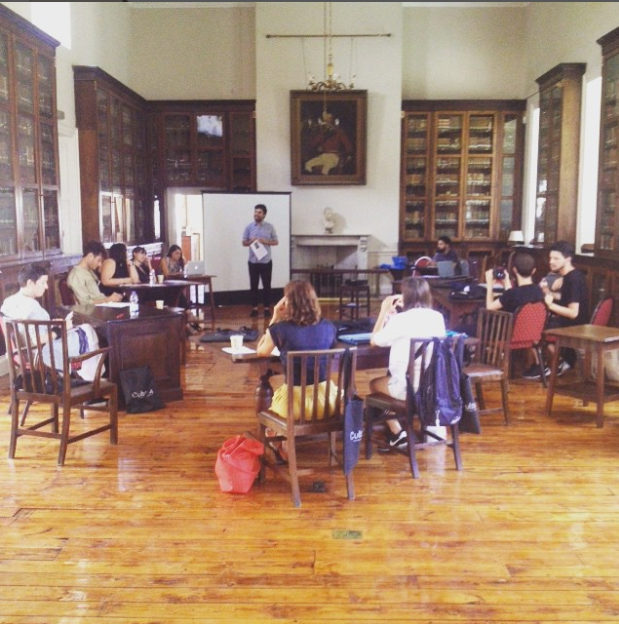
Modern Era: Today, the Garrison Library operates as a reference library and research center, open daily to the public. Its collections, representing an era of colonial expansion, provide insights into the historical context of the time. This transition to civilian control has propelled the library into the twenty-first century, embracing a new chapter in its storied history.
Email: [email protected]

Your ultimate guide to all things Gibraltar.

 Log in with Google